

Bunkering & Ship Fuel

Bunkering is the process of supplying fuel to a vessel for its propulsion and on-board machinery. While the term originally referred to the coal stored in a ship’s bunkers, it now describes the fuel supply logistics for marine fuels, including fuel oils, gas oils, and alternative fuels like LNG, biofuels, and methanol.
Home Bunkering & Ship Fuel
Bunkering is the process of supplying fuel to a vessel for its propulsion and on-board machinery. While the term originally referred to the coal stored in a ship’s bunkers, it now describes the fuel supply logistics for marine fuels, including fuel oils, gas oils, and alternative fuels like LNG, biofuels, and methanol.

Types of Marine Fuels

Several types of fuel are used in bunkering, each with different properties and regulatory considerations:
Bunkering Methods

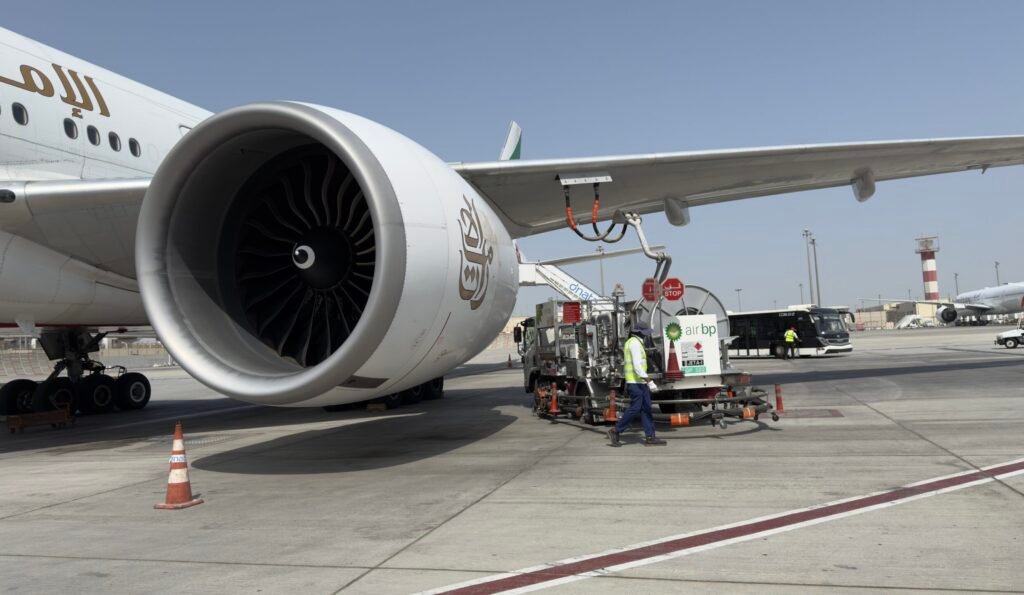
Fuel can be delivered to a ship using several methods, depending on the location and vessel type:
Fuel is transferred from a bunker barge or tanker to the receiving vessel while it is at anchor or offshore. This offers flexibility and can save time by not requiring the vessel to dock.
Fuel is delivered via pipelines from onshore storage facilities directly to the vessel’s manifold. This is a traditional and efficient method used in ports.
Tanker trucks deliver fuel to smaller vessels or when bunkering infrastructure is not available. This is common for vessels with a short stay in port.

Key Steps in the Bunkering Process

A bunkering operation requires careful planning and coordination to ensure safety and efficiency. A typical process includes:

  • Pre-Bunkering Planning:

    Before bunkering begins, the ship's crew and the fuel supplier agree on the fuel grade, quantity, and delivery plan. The ship's tanks are prepared, and a safety checklist is completed.

  • Performance:

    Fuel is transferred at a controlled rate, with both the supplier and the receiving ship monitoring tank levels and communicating continuously. The process starts slowly to check for leaks and gradually increases in flow

  • Sampling:

    Representative fuel samples are collected during the transfer in the presence of representatives from both the supplier and the ship. These samples are sealed and used for quality testing.

  • Post-Bunkering Wrap-up:

    After the transfer is complete, final tank levels are checked, and a Bunker Delivery Note (BDN) and other documentation are issued.

Considerations for Reliable Bunkering

Selecting a reliable bunkering partner is crucial for safe and cost-effective operations. Key factors to consider include:
Bunkering-1

Send Your Inquiry
For Product Catalogue

Send Your Inquiry
For Company Brochure

Find Your Product, Send Your Inquiry